Online Behavior Poses Workplace Threats: How Social Media Screening Mitigates Modern People Risk

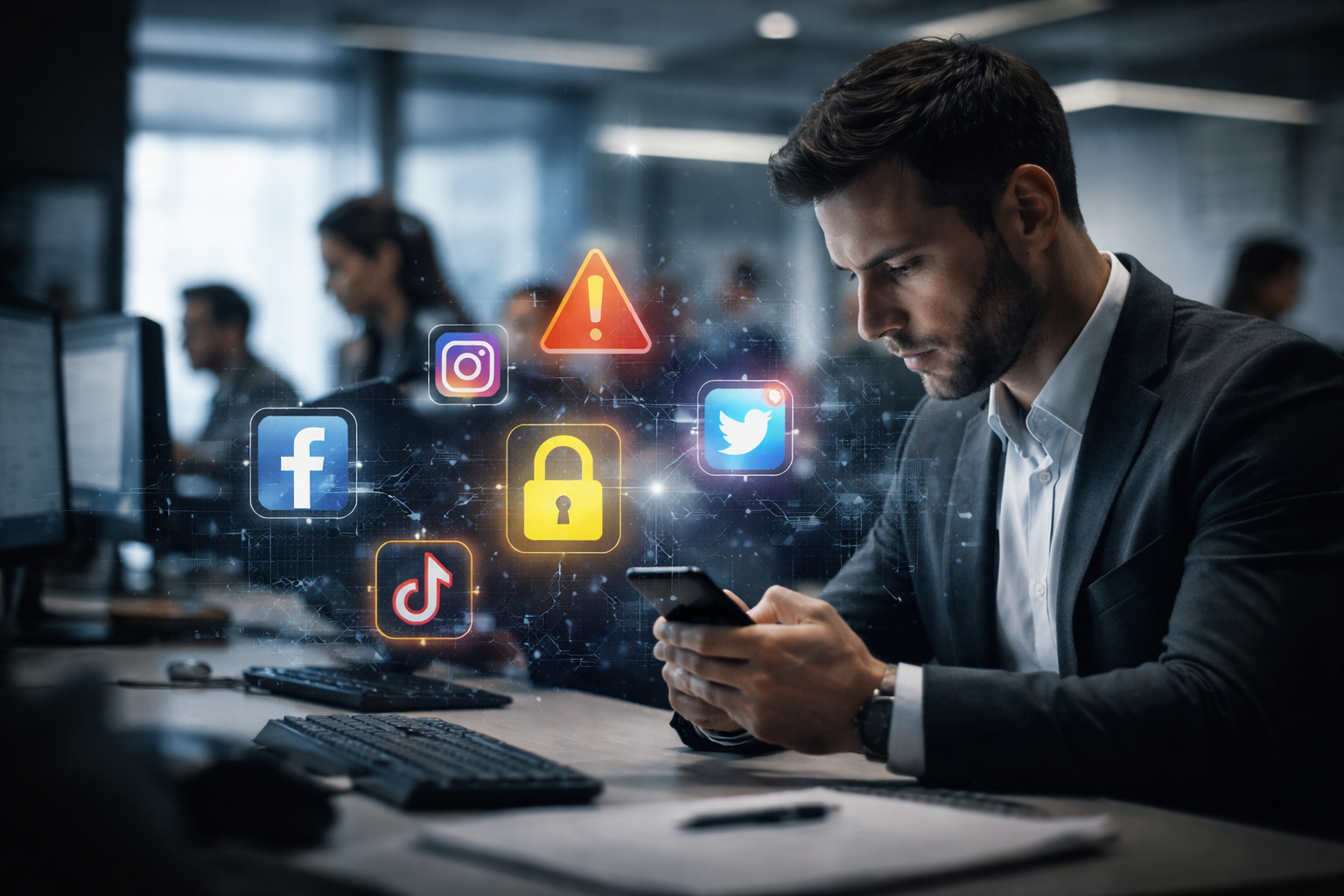
In 2026, the office walls have effectively disappeared. Your employee handbook probably has plenty to say about how people should act in the breakroom or over email, but here’s the reality: the modern workplace lives online.
The conversations that used to happen around a water cooler are now playing out in public social feeds, online communities, and viral videos. For HR and talent acquisition leaders, this has changed workplace risk. An employee’s online footprint isn't a separate identity anymore, it’s a preview of how they behave each and every day. Workplace misconduct doesn’t wait for the 9-to-5; it usually surfaces online long before it hits the office floor.
Understanding this shift isn't just a "nice-to-have" insight. It’s the new baseline for modern employee risk management.
What Does Employee Behavior Look Like Today?
If you looked at a map of modern employee behavior, it would look like a mosaic, constantly shifting and incredibly complex. We’re currently seeing a historical first: six different generations working side-by-side.
On one end, you have "digital immigrants" who prefer a hard line between their private lives and their LinkedIn profiles. On the other, you have Gen Z and Gen Alpha, digital natives who view their online presence as an inseparable extension of who they are.
By the end of this decade, these digital natives will make up 75% of the global workforce. For them, the internet is where they learn, vent, and build community. This creates a massive blind spot for companies relying on old-school candidate screening and pre-employment screening. Traditional checks simply weren't built to see into the digital spaces where most of our lives now happen.
The data backs this up: online misconduct jumped by 34% in the last year alone. When employees feel stressed or disconnected, they turn to online communities as an outlet. Sometimes, that "venting" turns into a major corporate liability.
Take the recent case of the nurse in South Florida who lost her license after posting a TikTok wishing harm on others. In sixty seconds, she jeopardized her career and her employer's reputation. When online behavior turns toxic, it doesn’t stay behind a screen. It follows the person into your building, affecting your team’s safety and your bottom line.
Why is Employee Behavior Changing?
Understanding how employee behavior is evolving in 2026 requires context. Today’s workforce faces a lot of pressure. Fears about job losses, persistent financial stress, and a lack of community have created a perfect storm for workplace threats to spread.
1. The Breakroom is Now Digital
Back in the day, office bullies tormented their victims at the water cooler or in the breakroom. Today, it’s happening on TikTok or X. For employers, your “workplace" isn't just your office anymore; it’s the entire internet. If an employee is harassing or threatening colleagues online on Sunday, they’re bringing that same attitude into your team meeting on Monday.
2. Social Media Echo Chambers
People used to hang out at parks or coffee shops. Now, they hang out online or in digital communities. This means people aren’t socializing with other people but in spaces controlled by algorithms that feed people content that is designed to cause outrage and responses that keep people on the platforms. This can turn a slightly frustrated person into an extremist very quickly. They aren't just "venting;" they are learning bad habits that make the office less safe for everyone else.
3. The Trust and Loyalty Gap
As AI adoption and economic stress weaken traditional company loyalty, a massive "trust gap" has formed between employees and leadership. While employers have a unique chance to rebuild this trust, doing so requires employers to intentionally maintain policies and procedures that create safe and respectful working environments. It also means making sure that every new hire isn’t coming into the workplace with a history of problematic misconduct that would threaten existing employees. In a world where AI can fake a perfect application, a person’s public online behavior is the only 'truth' left for hiring managers to rely on.
At the end of the day, you aren't just hiring a resume. You’re inviting a real person into your team’s daily life, and you need to know they’ll respect your workforce and workplace. Understanding how a person behaves publicly online is the best way to ensure they’re a fit for your team long-term. If you can’t trust a person behind the screen, you can’t trust them behind the desk either. That’s why social media screening matters.
Modern Social Media Screening as a Strategic Tool For Employee Risk Management
Yesterday’s background checks were designed for a different world. To protect your workforce today, your screening process has to be as fast-moving and current as the digital lives of your employees. Modern social media screening fills the gap where traditional checks and screening stops, turning billions of online signals into clear, actionable insights.
1. Hire the Right People from Day One
The most effective way to manage workplace risk is to proactively prevent it from entering your organization in the first place. Social media screening gives your team a preview into how candidates already behave before they step into the office. By looking for warning signs of high-risk threats like violence, harassment, and confidential information leaks, you can spot patterns of behavior without prying into someone's private life.
2. Building Safe and Trusting Employee Experiences
Managing risk in 2026 means brokering trust across the organization. HR is in a great position to do that by fostering integrity, safety, and compliance. What that looks like today is:
- Fostering Inclusive Environments: Work is the one place where people of vastly different identities and viewpoints must work toward a common goal. But it’s up to HR leadership to ensure that new hires and employees are willing to productively and responsibly work with their colleagues and customers.
- Remove Misconduct Threats: By identifying workplace threats, violence, and harassment before they escalate, you protect your team's psychological safety and well-being. This ensures that when you bring different groups together, you’re fostering a baseline of mutual respect rather than a breeding ground for conflict.
3. Putting Your Values into Practice with Clear Policies
Screening is most effective when it’s aligned with your Code of Conduct and a modern social media policy. With over 50% of business leaders worried about employees posing digital security risks, a clear policy supported by Fama’s automated technology removes the guesswork. It ensures the process is fair, consistent, and strictly focused on job-relevant behavior that’s respectful of candidate privacy.
To ensure you’re hiring the right people, it’s time to review their behavior before they walk through the door. It’s time to screen with Fama. Reach out today to book your demo!

Get the Newsletter
Recent Blog Posts
.jpg)
What is Identity Fraud in Hiring? What HR Needs to Know About Modern Employee Risk
.png)